



Discover Manus AI: Facebook’s New Powerhouse Integration

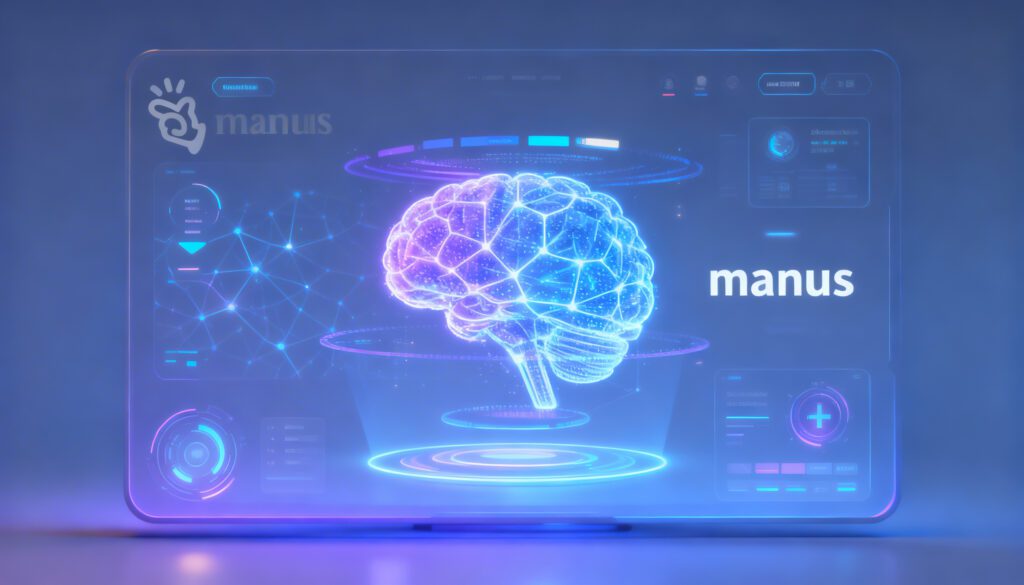
Manus AI is an advanced artificial intelligence platform now seamlessly integrated into Facebook, revolutionizing how users interact with the social media giant. Acquired by Meta for $2 billion at the end of 2025, it became widely available to all Facebook users by February 2026, appearing as a clickable hand icon in the top-left toolbar.
Key Features of Manus AI on Facebook
Manus stands out from Meta’s existing AI tools by offering an “agent” mode that handles complex tasks with minimal input, such as planning trips, booking tickets, or creating presentations. It supports multiple languages, including Hungarian from launch, making it accessible globally unlike some competitors limited to English. For content creators, it’s embedded in Meta Business Suite and Ads Manager, aiding ad generation, competitor analysis, and content calendars.
How to Access and Use Manus AI
Spot the Manus icon (a snapping hand) in Facebook’s left sidebar and click it to open the chat interface. Type natural language prompts like “Plan a weekend trip to Paris” or “Analyze my competitors’ Facebook ads,” and Manus executes autonomously, often looping back for clarifications if needed. In Ads Manager, connect via the new integration to generate Instagram ads, enhance product images, or build landing pages directly from your Facebook page.
Benefits for Users and Marketers
This integration boosts productivity by automating workflows like multimedia processing (e.g., extracting text from images or transcribing videos) and external connections via API, Slack, or Zapier. Marketers love its SEO-friendly capabilities, such as keyword research, content outlines, and Google Search Console analysis when linked externally. Early users report faster ad creation and social media growth through data-driven insights from Facebook’s ad library.
Manus AI vs. Other Facebook Tools
Manus elevates Facebook from a social platform to an AI-powered action hub, ideal for casual users and pros alike. Start experimenting today to streamline your digital tasks.
Manus AI revolutionizes Facebook ad campaigns by automating analysis, creation, and optimization directly within Meta’s ecosystem. Integrated into Ads Manager since early 2026, it leverages AI agents to boost ROAS and cut manual effort.
Accessing Manus in Ads Manager
Navigate to Meta Ads Manager and locate the Manus icon (hand symbol) in the Tools menu or left sidebar—rollout varies by account, so check eligibility under “Connect Your Tools to Manus.” Click to authorize access to your ad account, granting it performance data like metrics, campaigns, and ad library insights. Once linked, the chat interface opens for natural language prompts.
Step-by-Step Usage for Campaigns
- Competitor Analysis: Input competitor Facebook page URLs or names (e.g., “Analyze Alex Hormozi’s ads”). Manus crawls the ad library, extracts messaging, visuals, themes, and landing page alignment, then generates PDF reports or interactive dashboards.
- Ad Creation: Prompt “Generate Instagram ads for [product] optimized for conversions” or “Build a 30-day content calendar from my Facebook page.” It creates scroll-stopping creatives, enhances product images, and suggests high-performing copy.
- Performance Optimization: Ask “Analyze my ad account and recommend improvements” or “Optimize ROAS for this campaign.” Manus reviews metrics, identifies issues (e.g., click-to-view rates), and provides actionable insights like bid adjustments or audience tweaks.
- Automation Features: Use for landing page building from your Facebook page, creator discovery, or full reports—export as PDF or shareable sites.

Key Benefits and Tips
Manus delivers 22% higher ROAS via Advantage+ style automation, plus 5% Instagram conversion lifts. Start simple: Test with one campaign, refine prompts iteratively (e.g., add your brand tone), and verify outputs before launching. For pros, connect via API for deeper workflows like Zapier.
Manus`s SEO Advantages
Manus AI excels at SEO content generation by automating keyword research, outlining, and drafting optimized articles that rank well on search engines. Its agentic capabilities pull real-time data, analyze top-ranking pages, and ensure E-E-A-T compliance (Experience, Expertise, Authoritativeness, Trustworthiness).
Core Prompting Principles
Craft prompts with specifics: include target keyword, word count, audience, tone, and competitors. Add “analyze top 3 Google results for [keyword]” to reverse-engineer winners, or “include FAQ schema and internal link suggestions” for technical SEO. Chain tasks like “First research, then outline, finally write” to leverage its multi-step agent mode.
Top Prompts for SEO Content
- Ultimate Article Generator: “Research ‘best AI tools 2026’. Analyze top 5 SERP results for structure, headings, and keywords. Write a 3000-word guide with table of contents, stats, images placeholders, FAQ, and meta title/description. Optimize for featured snippet. Output in Markdown.”
- Product Review: “Create an SEO-optimized review for [product name]. Include pros/cons table, keyword variations, user intent from Reddit/Quora, affiliate links structure, and H1-H3 tags. Target 2000 words, EEAT signals.”
- Blog Post Outline + Draft: “Generate outline for ‘[keyword]’ beating [competitor URL]. Then expand to full post with LSI keywords, bullet lists, 2-3 images, and readability score >70. Suggest 5 title variations.”
- Local SEO Landing Page: “Build SEO page for ‘[business] in [city]’. Keyword research via Google Suggest. Include map embed code, testimonials, schema markup, and 1500 words of service details.”
- Content Refresh: “Audit [old URL] for SEO gaps. Rewrite with fresh data, updated stats from 2026, longer intro, and 20% more subtopics to outrank current #1.”
Optimization Tips
Test iteratively: Run prompt, review output for keyword density (1-2%), then refine with “Improve this draft: fix thin sections, add data viz, boost dwell time elements.” Export as HTML for CMS upload; Manus often includes ready schema and alt texts. Users report #1 rankings in weeks with these, especially for long-form (2000+ words).