



About
I started in 2008 as a graphic designer working alone from a single room. By 2012 I had six people, we covered everything — design, web, mobile applications. We built some of the first interactive services of their kind in Serbia. The business grew, I grew with it, and I poured everything I had into it — time, money, relationships, vacations I never took, evenings out I skipped.
Then came the 2012 financial crisis, then the pandemic, then a slow reduction of the team until I was working alone again. But I survived. I even managed to take a logo design service I had started as an anonymous side project and get it to the first page of Google. For someone running a small business, that’s more or less everything you could wish for. Work came in on its own, consistently, predictably. Five or six logos a month, alongside business cards, letterheads, WordPress websites — I was earning well and didn’t need anything more than that.
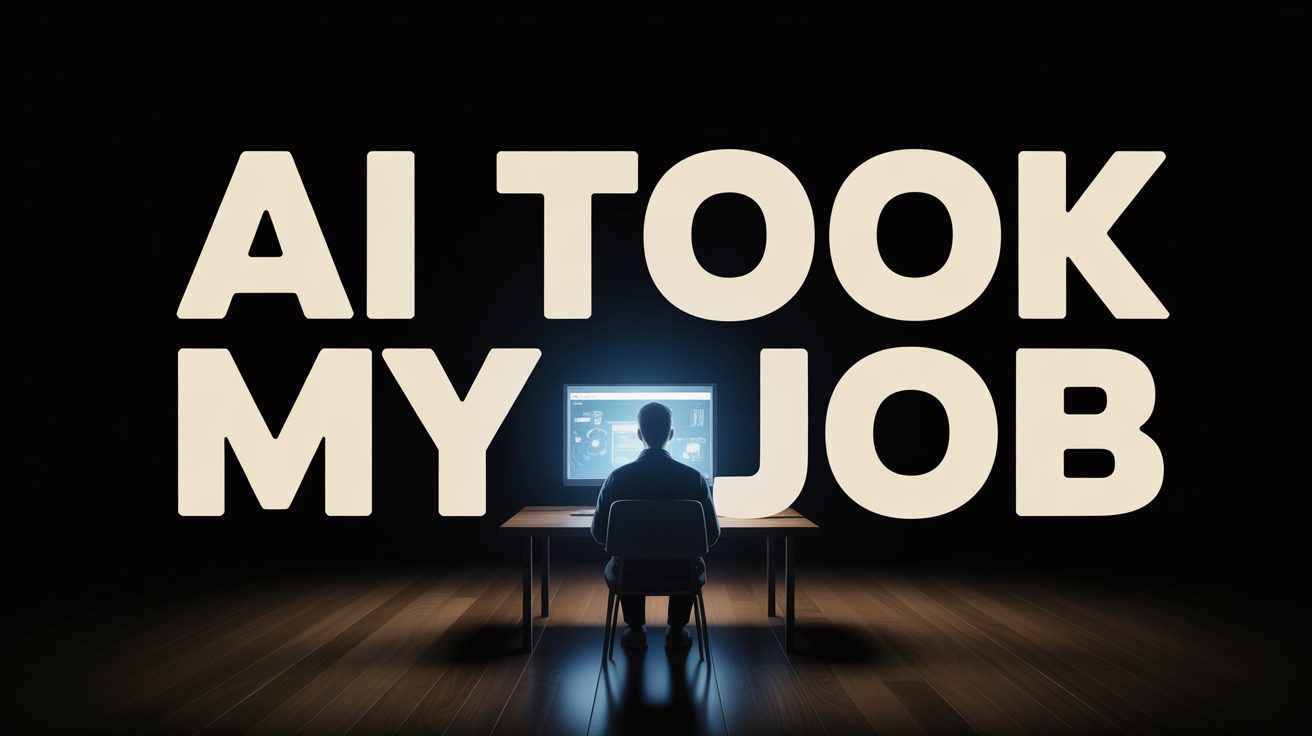
Somewhere around late 2024 the inquiries started dropping. I assumed it was the economic climate, so I redesigned the website, audited the SEO, analyzed everything I knew how to analyze. Things improved briefly, then dropped again, and eventually went completely quiet. It took me a while to understand what had actually happened — AI tools had become good enough that the average client, the ones who never had a large budget anyway, no longer had a reason to look for me. They didn’t go to a competitor. They simply no longer had the need.
And that’s the part that really hit me, not immediately, but once I had time to think it through. The entire segment of clients I used to think of as “small” or “not worth the trouble” — they were actually the foundation of the market. When you can’t get something for free, you look for someone who does it at a reasonable price. When it becomes free, that entire logic collapses. AI didn’t just create cheaper competition. It removed a category of need that had been feeding my business for years.
I’ll be honest — my first instinct was to dismiss it. Fifteen years of experience, hundreds of projects, clients who came back year after year — and now AI is making logos. There was a fair amount of ego that needed to be swallowed.
But somewhere in that period I started thinking differently. Someone who survived the 2012 crisis, who taught himself SEO well enough to rank at the top of Google, who pivoted multiple times throughout his career — that person has no reason to stand still and watch. I decided to understand the thing that had closed my agency, up close, seriously. I started writing about AI, researching how it works, where its limits are, how people who actually know what they’re doing use it. Some of that work I publish here at aihacklab.com.
I don’t know exactly where this leads yet. But I do know that the perspective of someone who lost a concrete business because of AI, and who studies it because of that — without illusions and without hype — might be worth more than the perspective of someone writing about it from theory alone.
Sometimes the thing that takes something from you becomes the tool you use to build something new.